hazards
on farms
Farming is a hazardous industry.
According to the Canadian Agriculture Injury Reporting, the agricultural industry is the fourth most hazardous industry in Canada. From 2011-2020, there were 624 agricultural related fatalities in Canada.
The first step in preventing farm accidents is being aware of the hazards that exist on your farm.
Learn more about the hazards that are present on your farm and how to control the hazards by clicking on the different hazards. We have provided a list of the most common hazards found on farms but this is not a complete list.
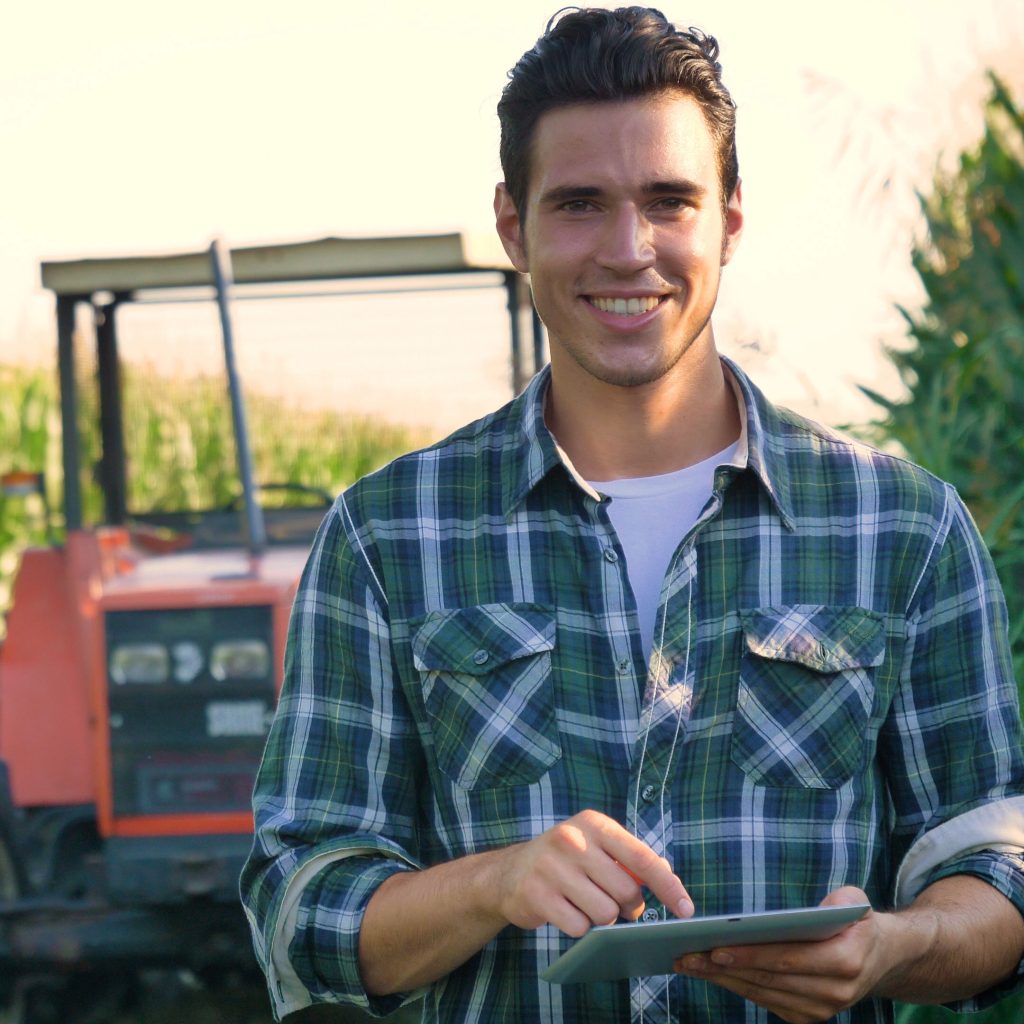
Tractors are a very useful tool in farming. However, they represent an important hazard as the majority of fatal farming injuries are related to tractor rollovers and runovers.
What can you do?
-
Ensure that everyone driving a tractor and other powered mobile equipment is properly trained.
-
Conduct a circle check before using a tractor or any other powered mobile equipment.
-
Observe those driving tractors and other powered mobile equipment. Do not tolerate risky driving behaviors such as driving fast, driving with the bucket up high, driving close to a ditch, driving sideways on a slope, etc.
-
Ensure roll over protective structures are present on all tractors and other powered mobile equipment on your farm.
-
Ensure everyone driving the tractor and other powered mobile equipment wears a seatbelt.
-
Do not allow any passengers to ride in or on any parts of the tractor.
-
Take keys out of all tractors and other powered mobile equipment when not in use.
-
Stop the equipment when children are spotted any where nearby. Do not start again until confirmed that the children are in a safe place.
To learn more about tractor safety, visit CCOHS: Tractors – Operation
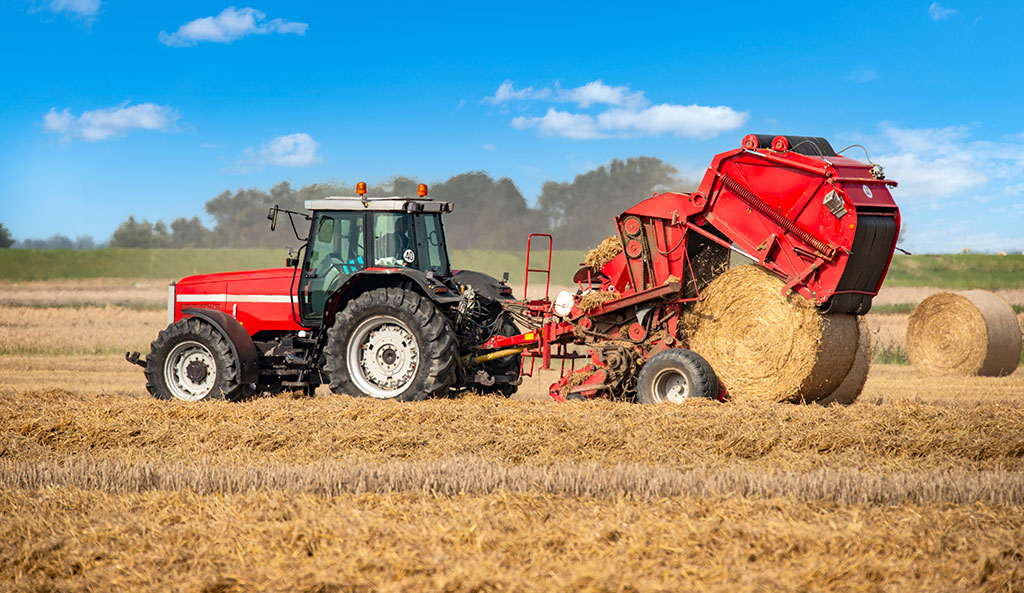
Many serious farm injuries are related to the use of machinery. These include balers, mowers, harvesters, conveyors and other similar machines. Machines that use a power take off (PTO) are especially hazardous.
What can you do?
-
Ensure that everyone on the farm is informed about the hazards of the machine.
-
Ensure that all PTOs have shields and guards in place.
-
Never walk over a PTO.
-
Ensure that the machine is shut off and there is no residual energy before attempting to unblock the machine or perform any other type of maintenance on it.
-
Ensure close-fitting clothing, that hair is tied back and nothing can get tangled in the machine.
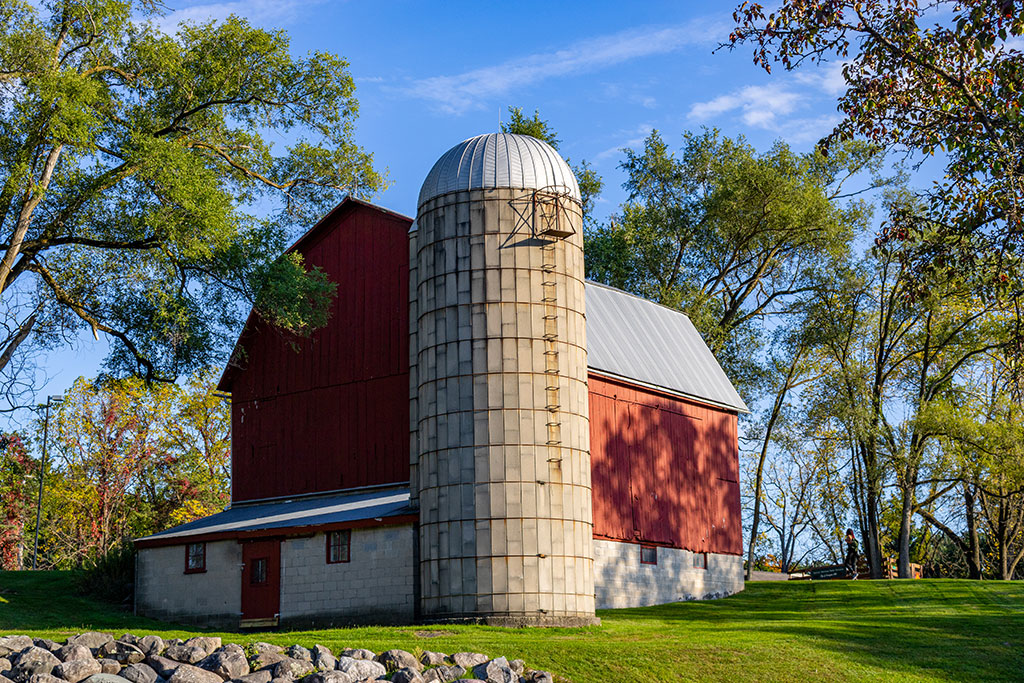
Silos, manure pits, hoppers, large tanks, wells and other similar structures are confined spaces. The atmosphere may be toxic or quickly become toxic in such spaces. Many fatal incidents occur when people are not aware of the hazards related to the confined space.
What can you do?
-
Identify confined spaces on your farm.
-
Avoid entering confined spaces. Try to find other ways to do the work without entering the space.
-
Ensure that confined spaces are kept locked so no one can wander into a confined space.
-
Ensure that anyone who must enter a confined space is properly trained.
-
Ensure that there is a safe work procedure to enter a confined space which includes a rescue procedure.
-
Ensure that the proper equipment is available to work in the confined space (including the gas monitor, proper personal protective equipment, and rescue equipment).
To learn more about confined spaces, go to: CCOHS: Confined Space – Introduction
Power hand tools include chain saws, circular saws, drills, grinders and nail guns. The power often comes from electricity but some tools may use other sources of power such as gasoline.
They enable the work to get done much quicker compared to the use of a regular hand tool. However, power tools are also much more hazardous than a regular hand tool and thus, additional precautions must be taken when using these types of tools.

What can you do?
-
Ensure that everyone who operates powered hand tools knows how to do so safely.
-
Inspect the tool including the electrical cord and extension cord (if applicable) before use.
-
Do not use defective tools.
-
Ensure that proper shields are in place.
-
Unplug tools when not in use.
-
Do not attempt to service equipment until it is properly shut off and ensuring there is no residual power and it cannot be mistakenly turned on.
-
Ensure all electrical outlets have proper 3 pronged receptacles.
-
When purchasing a new tool, look for low vibration options.
-
Use proper personal protective equipment.
To learn more about power tool safety, go to:
Serious injuries can occur when working at heights. People may fall when working on a step ladder, on a roof, on staging, over an unguarded hole, over a bin, for example.
What can you do?
-
Whenever possible, avoid working at heights. Try to do as much of the work as possible from the ground.
-
Ensure that people are trained to work at heights safely.
-
Conduct an inspection of the ladder, step ladder, staging or other work platforms before using. Do not use if defective.
-
Always use 3 points of contact when working on a ladder and step ladder
-
Keep the trunk of your body in the center of the rung when working on a ladder and step ladder.
-
Use fall protection measures when working on roofs and other elevated surfaces. Fall protection measures include guardrails, fall arrest equipment, control zones.

For more information about working at heights, visit:
Farmers and farm workers may use pesticides, fertilizers and other chemicals on their farms. Though chemicals are commonly found on many farms, they pose risk to one’s health if ingested, inhaled, absorbed and/or improperly mixed or manipulated.
What can you do?
-
Ensure that everyone using chemicals are aware of the hazards and trained on how to use them safely.
-
Read the labels of all chemicals before using them and follow the instructions to use them safely
-
Keep chemicals in a locked cabinet
-
Store chemicals in their original containers
-
Wear the proper protective equipment when handling chemicals
-
Wash hands thoroughly after manipulating chemicals
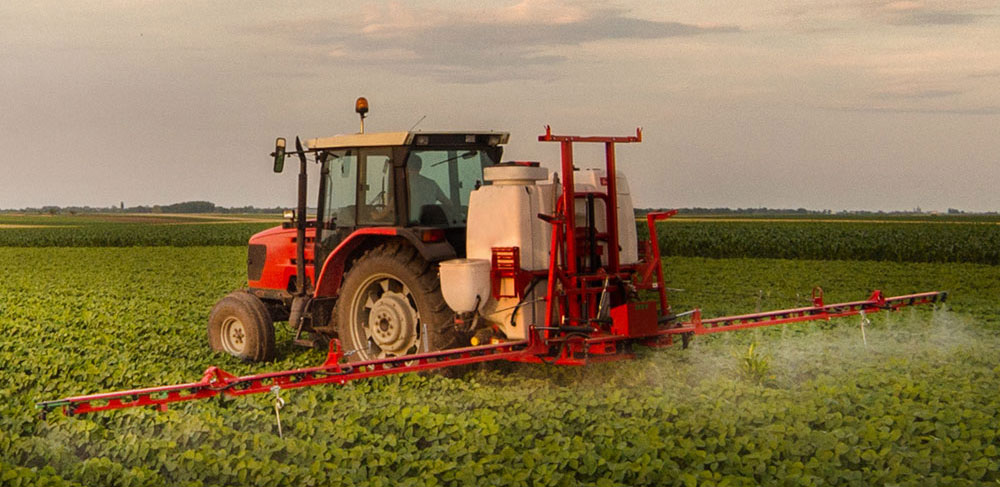
For more information on working with chemicals safely, please visit:
It is important to remember that animals do not perceive things in the same way we do. They often hear better than we do and see more at one time. They can also be unpredictable and may bite, kick, hit, run into and over us. If a large animal falls on us, it can cause crushing injuries. Livestock are involved in a large proportion of fatal farm injuries.
What can you do?
-
As you approach an animal, announce your arrival so you do not frighten them.
-
Be calm and gentle with the animals
-
Avoid approaching animals from the rear
-
Keep area as clean and as tidy as possible to prevent slips, trips and falls
-
Keep an exit available to yourself.
-
Don’t put hands near their mouths.
-
Recognize the signs of aggressive animal behaviors.
-
Livestock can transmit diseases to humans so it is important to wear appropriate protective equipment and wash thoroughly after handling animals.
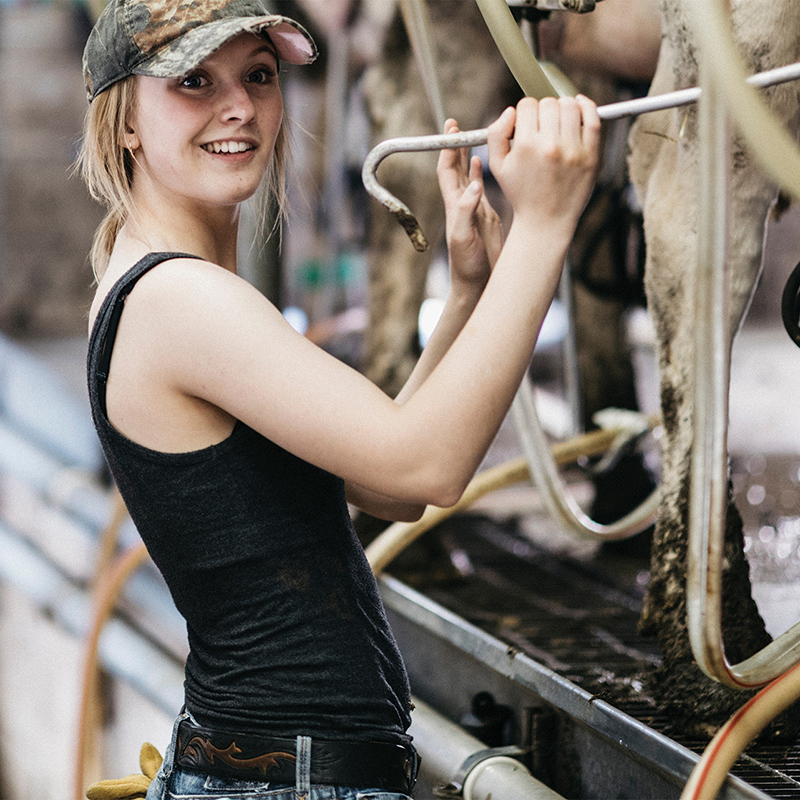
For more information about livestock safety, please visit:
Large animal handling | Health and safety in farming operations | ontario.ca
Farmers and farm workers work long hours. There are many things that are outside the farmers’ control and have a large impact on a farm’s financial success such as the weather, markets and labor availability. In addition, farmers face a growing burden of government regulations and associated paperwork, which increases costs and reduces the time they can spend on operations. Having little control over things that impact a farmer causes stress. In order to ensure the farm’s financial viability, many farmers juggle other jobs as well. As much of the tasks are done alone, farming can feel isolating at times.

What can you do?
-
Throughout the day, check in on yourself. How are you feeling? Notice thoughts and feelings that are not serving you and let them go.
-
Take care of your physical health- eat well, stay hydrated, get plenty of sleep.
-
Do things you enjoy regularly and spend time with people you love.
-
Shift your perspective of what success must look like. Emphasize personal growth, meaningful contributions and connections with family and friends instead of just focusing on the financial aspect of the business.
-
Ask for help- whether it is help with farm chores, household chores or other tasks.
-
Confide in a close friend/ family member if you feel overwhelmed, stressed, anxious about things.
-
Seek professional mental health counselling.
-
Join a peer support group.
-
Remember though you may feel alone at times, many other farmers have similar challenges.
For more information about managing farm stress, please visit:
Farmers and farm workers spend much of their time outside in the summer, during the peak summer heat. In addition, much of the work is physically intensive. In addition, some farm workers are paid at a piece-rate, which may push them to work beyond their physical limits and avoid taking needed breaks. For theses reasons, farmers and farm workers are at increased risk of developing adverse health issues related to heat.
What can you do?
-
Start working earlier in the day and finish before the temperature reaches its daily maximum.
-
Drink plenty of water- about a glass every 15 minutes when it is very hot.
-
Wear light colored clothing and a large brimmed hat.
-
Complete more physically demanding tasks during the coolest time of the day.
-
Pace yourself and work more slowly when it is hot.
-
Take breaks in a shaded area.
-
Notice how you are feeling. If you feel tired, light headed, dizzy take a break in a cool area.
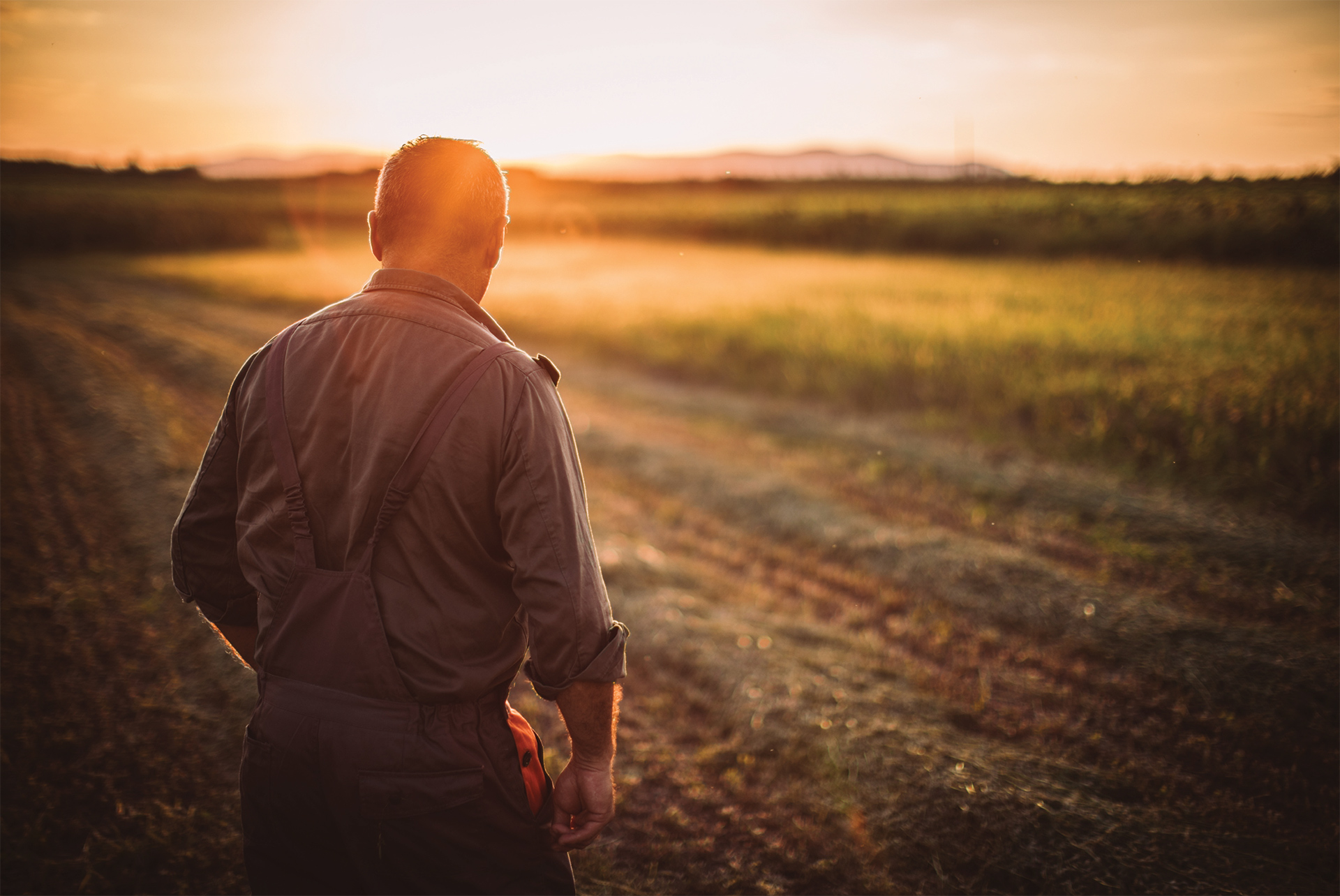
For more information about managing heat, please visit:
Farming is physically demanding. Farmers and farm workers often lift heavy items such as fertilizer bags, feed, equipment. They may push, pull and move heavy pieces of machinery. They may repeat the same motions over and over again throughout the day in order to complete a task. They may sit in a tractor for long hours, or stand for long periods of time. As they climb up and down out of tractors and other machines, they risk slipping and falling and may cause joint injuries. These tasks increase the risk of developing musculoskeletal injuries and are considered ergonomic hazards. Though not usually life threatening, musculoskeletal injuries can result in long term pain and suffering, decreases the quality of the farmer’s sleep and negatively impacts their quality of life.
What can you do?
-
Be aware of the weight of an item before lifting up on it. In ideal conditions, in general, a man should not lift more than 50 lb and a woman should not lift more than 30 lb.
-
Lift with your legs – squat close to object in order to lift it.
-
Keep loads close to your body
-
Ask for help to move heavier objects
-
Use machines to help move heavy objects
-
Take breaks- when doing repetitive tasks or when sitting or standing for long periods of time, take a 5 minute break every hour to stretch and walk around
-
Stay active all year round – at least 20 minutes of vigorous exercise per day every day
-
Ensure that your seat is well adjusted, has good back support and sit up straight
-
Always use 3 points of contact when entering and exiting a tractor or other machine. Never jump down.
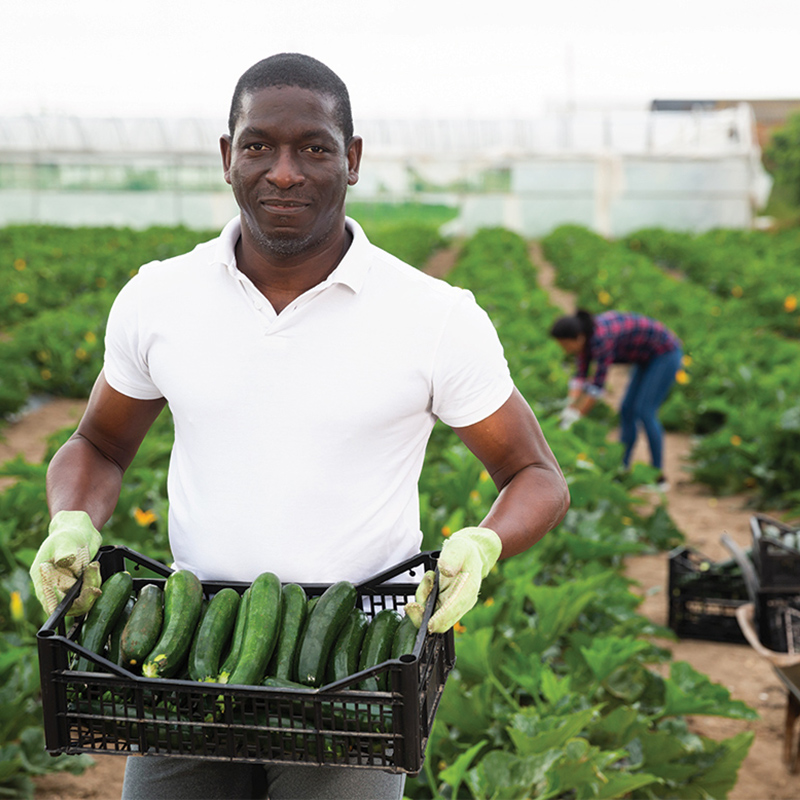
For more information about managing ergonomic hazards, please visit:
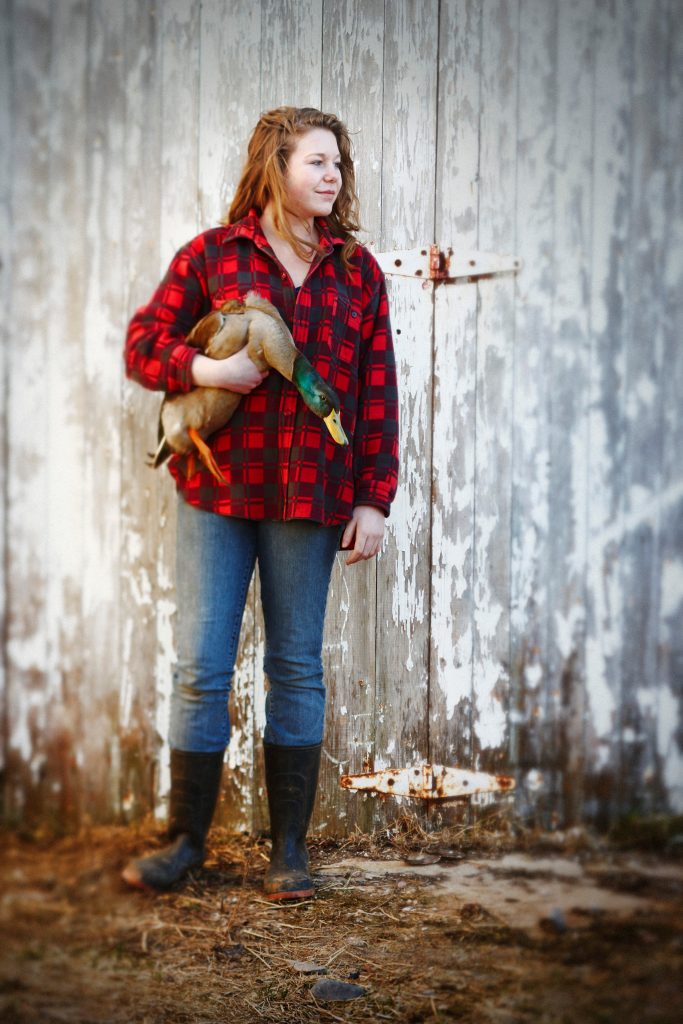
Many farmers and farm workers often work alone. Many farms are owner-operated and have no or few employees. No matter the work they are doing alone, whether they are feeding animals, ploughing a field, maintaining equipment, there is a risk of them working alone. If the farmer becomes injured or becomes suddenly ill in an isolated area, the situation can become critical. Working long hours alone can also exacerbate one’s mental state.
What can you do?
-
Always tell people where you will be working and what you will be doing before leaving.
-
Create a check-in schedule. Check in with someone (employee, spouse, friend) at least every 2 hours. If you don’t check in, they need to contact you and if you don’t respond, they need to find you.
-
Before taking on any task, be aware of the hazards and ensure to follow procedures that will reduce the risk of injuries.
-
Keep your phone charged on you. This will enable you to call 911 if necessary.
-
Some tasks must not be completed alone. These include working in a confined space and working with chain saws. You may also consider not performing other high risk tasks alone such as working at heights.
-
Ensure you have a personal first aid kit always available in close proximity.
-
Take breaks- meet with someone for lunch, go for a walk, stretch. Breaks are important to keep your mental focus, reduce the risk of musculoskeletal injuries and helps maintain connections with others.
-
Establish a working alone code of practice (this is a legal requirement if you have workers who work alone).
For more information about working alone, please visit:
Farmers and farm workers are often exposed to dust and mould throughout their working day. Of particular concern are dusts from moldy materials. When crops such as hay, straw and grain are stored with too much moisture, they may become moldy. When the moldy material is handled, it releases spores into the air. These spores can be inhaled and may cause an allergic reaction of the respiratory tract to these dusts. This allergic reaction is called farmers’ lung. Symptoms of farmers’ lung resemble the flu and is sometimes confused with pneumonia. Continued exposure may eventually result in permanent lung damage. Farmers and farm workers may also develop toxic organic dust syndrome. The syndrome is similar to farmers’ lung but commonly thought not to produce long term illness or permanent damage.
What can you do?
-
Try to ensure that hay, straw, grain is properly dried at harvest.
-
Ventilate when working in buildings that have large amounts of dusty material.
-
As much as possible, mechanize farm chores that require manipulating hay or feed.
-
Wet down the dust from mouldy crops when cleaning the barns or stables to prevent the dust from becoming airborne.
-
Use an approved respirator that is properly fitted. Wear the respirator every time farm dust is encountered.
Farmers and farm workers are exposed to loud noises including (but not limited to) tractors, combines, racks, chain saws, power tools, ventilation fans and livestock. Farmers and farm workers experience higher rates of hearing loss than the rest of the population. Damage to one’s hearing often goes unnoticed as it is painless. Noise induced hearing loss is permanent and preventable.

What can you do?
-
Keep machines and equipment well maintained.
-
Operate machinery at low speeds.
-
When buying tractors and other machinery, choose those with cabs.
-
Keep windows and doors tightly shut when inside the cab.
-
When buying equipment, select those that are the quietest.
-
Take breaks from noisy operations
-
Limit the amount of time exposed to noise
-
When exposed to loud noises, wear hearing protection and ensure proper fit. Use ear muffs, ear plugs or both.
For more information, please visit:
Hearing-Resource_Final.pdf (English)
HearingResource_FR2022.pdf (Français)
Need to talk? In distress or concerned for someone?
Call the National Farmer Wellness Network Crisis Line at 1-866-FARMS01 (1-866-327-6701) any time, any day of the year | Call or Text 9-8-8. | Find other crisis supports and helpline numbers here.
Please note: The information on this website is not intended to replace professional medical advice, diagnosis, or treatment. If you are experiencing an emergency, call 911 or visit your local emergency room.